

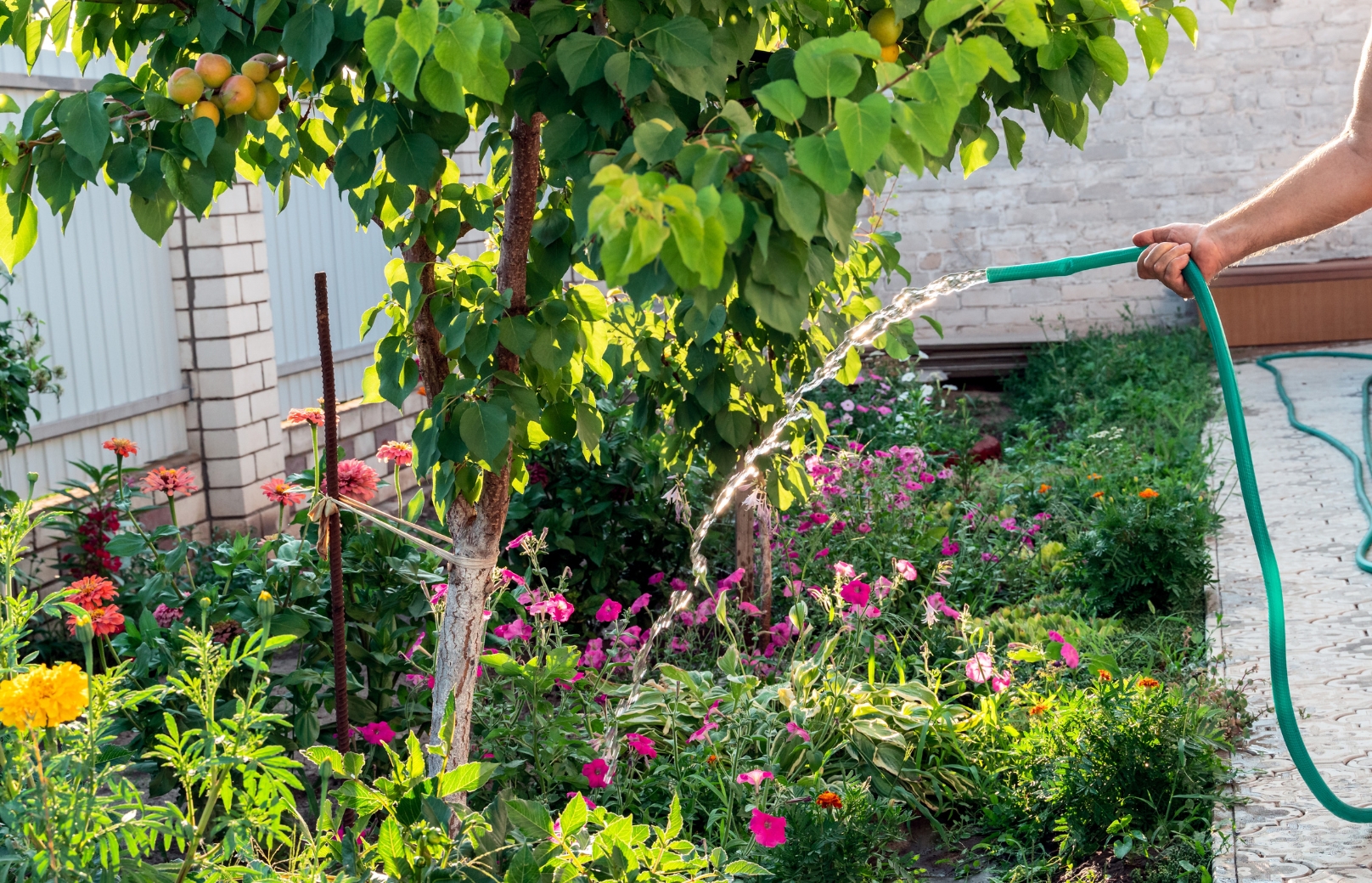
Southern Water has issued a temporary hosepipe ban for about one million customers across Hampshire and the Isle of Wight for a second year in a row. The restrictions will come into force on 10 July – a week after South East Water customers in Kent were put under a similar ban.
In light of the restrictions, Hampshire-based lettings agency Charters has issued some key advice for landlords and tenants.
The water company is advising all customers to abide by the ban immediately and said its restrictions would likely run until the autumn unless there was significant and sustained rainfall.
Here is some important advice to ensure the strict new rules are followed:
- Landlords are encouraged to remind tenants to adhere to any imposed bans, and that, as a rule, the person who uses the hosepipe is responsible for complying with the ban. This is usually the tenant, if they are the ones living at and using the property.
- If the tenant lives in the property and maintains the garden, they are generally responsible for any hosepipe use during a ban. If a tenant breaches the hosepipe ban, they could be fined (up to £1,000 in the UK).
- If the landlord maintains the garden (e.g. for HMOs or furnished lettings with gardening services), they would be responsible for any prohibited use.
As Hampshire braces for another prolonged spell of hot weather, Charters has set out practical steps landlords and tenants can take to keep properties cool and well maintained.
Advice for Landlords:
1. Communicate with tenants
Stay in touch with your tenants, encourage them to report any issues with air conditioning, fans or ventilation ASAP so they can be resolved promptly.
2. Check ventilation and airflow
Ensure windows, trickle vents, and extractor fans are all working properly. Good ventilation helps keep properties cooler and reduces condensation and damp, a bonus even in the heat.
3. Service or check air conditioning/extractor units (if installed)
If your property has fixed air conditioning or ventilation systems, arrange a quick service check. This can help avoid failures in peak conditions and makes sure tenants can stay safe and comfortable.
4. Consider installing blinds or curtains that reflect heat
Reflective window coverings can help reduce indoor temperatures. This is a relatively low-cost improvement that can add value and comfort, especially in loft apartments or homes with large windows.
5. Review garden or outdoor space maintenance
Avoid asking tenants to water lawns or gardens during a hosepipe ban. If you have a gardener or external contractor, remind them of current water restrictions.
Charters’ managed landlord clients can trust us to keep tenants informed about the ban if they approach us with any queries.
Advice for Tenants:
1. Keep blinds and curtains closed during peak sunlight hours
Keeping your space shaded can reduce indoor temperatures by several degrees.
2. Use fans wisely and safely
Position fans to create cross-breezes and never leave them running unattended. A bowl of ice in front of a fan can also act as a simple DIY cooler.
3. Avoid overusing appliances that generate heat
Try to run appliances such dishwashers, washing machines, and ovens in the evening when it’s cooler. This can help to keep indoor temperatures lower.
4. Report any issues promptly
If you spot signs of cracks in walls, warped flooring, or damage due to extreme heat, let your landlord or agent know as soon as possible. Small issues can become big ones quickly in these conditions.
5. Ensure heating systems are switched off or properly set
Check that any central heating systems are turned off or set appropriately for summer. In some cases, timer settings may continue to activate heating unnecessarily, making the property uncomfortably hot as well as wasting energy.